Pet Dental Care & Dental Procedures
Keeping Your Pet’s Teeth and Gums Healthy
Dental care is an essential part of your pet’s overall health and wellbeing. Our veterinary team provides professional pet dental procedures in Christchurch, including dental checks, scale and polish treatments, and ongoing dental health management.
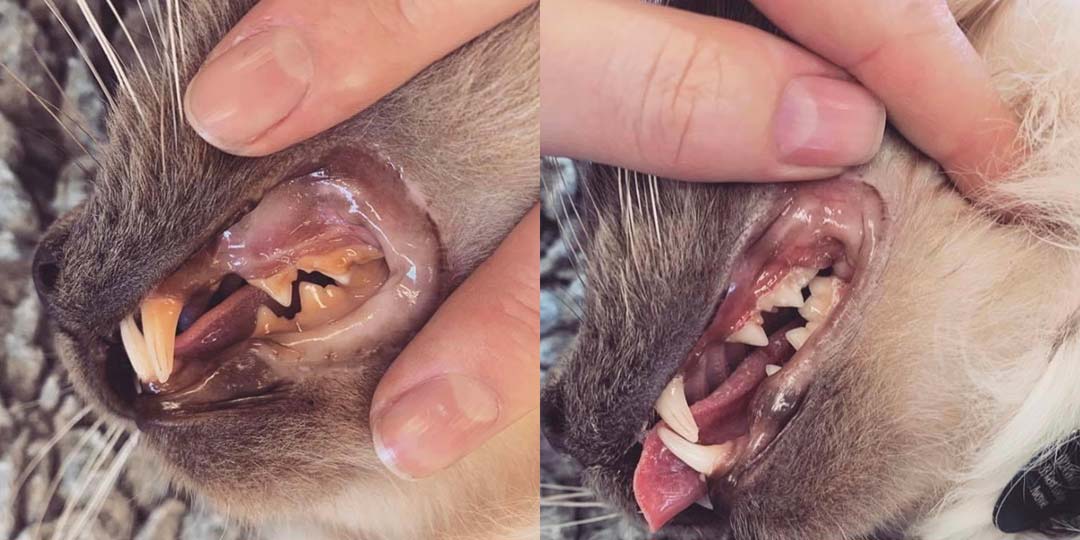
When plaque and tartar build up on your pet’s teeth, they can lead to gingivitis (gum inflammation). If left untreated, this can progress to periodontal disease, a serious bacterial infection affecting the structures supporting the teeth.
Periodontal disease can cause bad breath, pain, tooth loss, difficulty eating, and in more severe cases, may contribute to infections affecting other organs such as the heart, liver, and kidneys. Early detection and routine veterinary dental care are key to preventing long-term complications.
Common signs of dental disease in pets:
- Bad breath (halitosis)
- Drooling or excessive salivation
- Red or bleeding gums
- Yellow or brown tartar buildup
- Loose or missing teeth
- Pawing or rubbing at the mouth
- Changes in chewing habits
- Difficulty eating
We can detect dental disease early during your pet’s annual wellness checks at our Christchurch vet clinic. Where needed, we may recommend a professional scale and polish, tooth extractions, or guidance on at-home dental care, including diets and preventative routines to support long-term oral health.
70-80% of cats and dogs over three years of age have dental disease!
What to Expect During Your Pet’s Dental
At Avonhead Veterinary Clinic, all dental procedures for cats and dogs are performed under general anaesthesia to ensure your pet remains safe, still, and completely comfortable throughout treatment.
Once your pet is asleep, our veterinary team performs a full oral examination, carefully assessing each tooth and the surrounding gums. This is essential, as dental disease often develops below the gum line where it cannot be seen during a conscious examination.
Each tooth is then thoroughly cleaned using an ultrasonic scaler to remove plaque and tartar, including beneath the gum line where periodontal disease begins. The teeth are then polished to smooth the surface, helping reduce future plaque build-up and support long-term dental health.
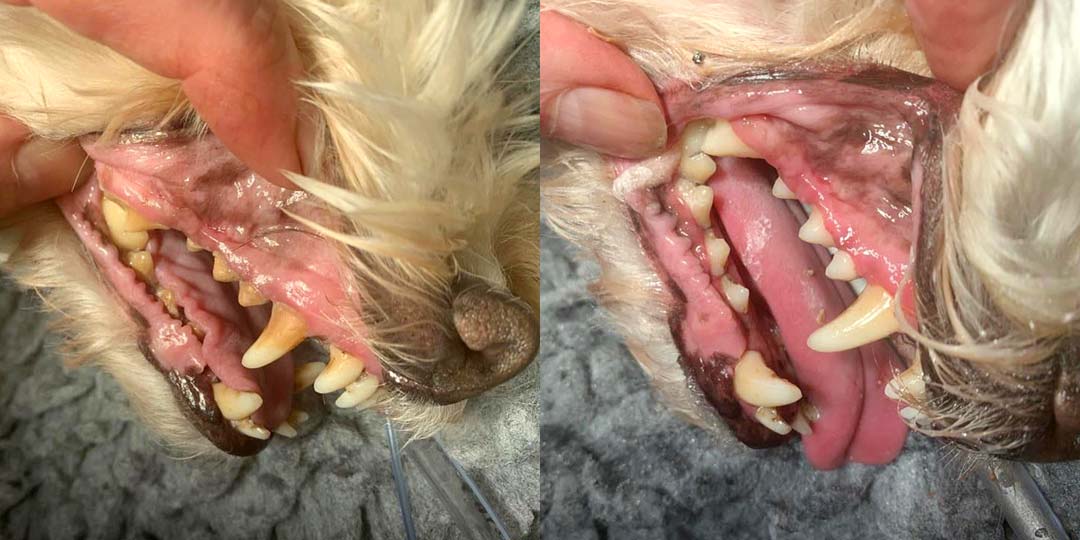
In some cases, tooth extractions are required when teeth are severely damaged, infected, or painful. While this may sound concerning, removing diseased teeth is often the best way to relieve pain, eliminate infection, and significantly improve your pet’s quality of life. Most pets recover well and continue to eat and live comfortably.
Common reasons for tooth extractions:
- Painful teeth with enamel defects
- Fractured teeth with dentin or pulp exposure
- Severe periodontal disease
- Pulpitis (inflamed tooth pulp)
- Tooth root infection or abscess
- Retained deciduous (baby) teeth
In advanced cases, multiple or full-mouth extractions may be necessary. Although this can seem drastic, it can dramatically improve comfort, reduce chronic pain, and help pets live happier, healthier lives when severe dental disease is present.
Dental Radiography (Pet Dental X-Rays)
Detecting Hidden Dental Problems Below the Gum Line
At Avonhead Veterinary Clinic, dental radiographs are an essential diagnostic tool used during dental procedures for cats and dogs in Christchurch. Dental X-rays allow our veterinary team to see below the gum line, where many dental problems cannot be detected during a visual examination. This helps identify diseased teeth, assess tooth roots, evaluate surrounding bone structure, and determine whether extractions are required. They also confirm whether a procedure is complete, ensuring no infected tooth fragments or root pieces are left behind.
Dental radiographs are taken while your pet is under general anaesthetic, allowing us to safely position a small digital sensor inside the mouth without movement or discomfort. This provides clear, detailed images of individual teeth or sections of the mouth for accurate diagnosis and treatment planning.
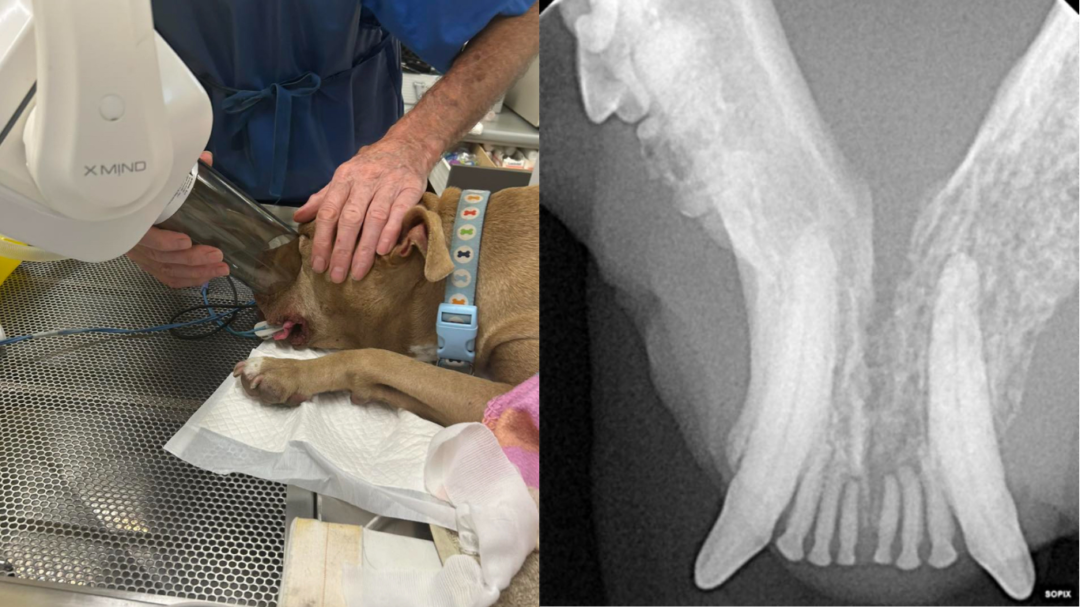
Our veterinarians may recommend full-mouth or selective dental X-rays depending on your pet’s oral health. In some cases, dental radiographs are only fully indicated once your pet is under anaesthesia, especially if a thorough oral examination is not possible while awake
Aftercare & Home Dental Care for Pets
Ongoing pet dental care is essential for maintaining long-term oral health after professional dental treatment.
Following a scale and polish or dental procedure, plaque can begin to reform within 24 hours, with tartar developing within just a few days. If no ongoing dental care is provided, signs of gingivitis (gum inflammation) may appear within a couple of weeks. This is why consistent at-home dental care and regular plaque control are so important- prevention is always better than treatment.
Our knowledgable veterinary team can help you choose the most suitable home dental care plan for your pet, tailored to their needs and lifestyle.
Recommended at-home dental care options:
- Dental prescription diets such as Hill’s T/D and Royal Canin Dental
- Dental chews including Greenies and Veggiedent FR3SH
- Tooth brushing with pet-safe toothpaste such as C.E.T. Toothpaste or Prozym
- Aquadent FR3SH water additive for ongoing oral hygiene support
- Maxiguard oral cleansing gel and wipes
Regular home dental care, combined with routine veterinary dental checks, helps reduce plaque build-up, prevent periodontal disease, and support your pet’s overall health and wellbeing.
Additional Information for Oral Health:
“You’ve got to buy into homecare as the real treatment of periodontal disease, not just annual cleaning”.— Dr. Brook Niemiec, DVM, DAVDC, FAVD Chair, WSAVA Global Dental Committee